GO2AMUSE | Used Amusement Rides, New Equipment & Park Design


The Complete Guide to Indoor Playground Equipment Categories
The Complete Guide to Indoor Playground Equipment Categories
Planning to open an indoor playground but not sure where to start with equipment?
Learn more about our new-amuse.
Learn more about our used-indoor-playground.
You’re not alone.
Most first-time investors know what playgrounds look like — but lack clear understanding of how different zones function, who they serve, and how they generate revenue.
This guide breaks down the 7 essential equipment categories that make up successful indoor playgrounds.
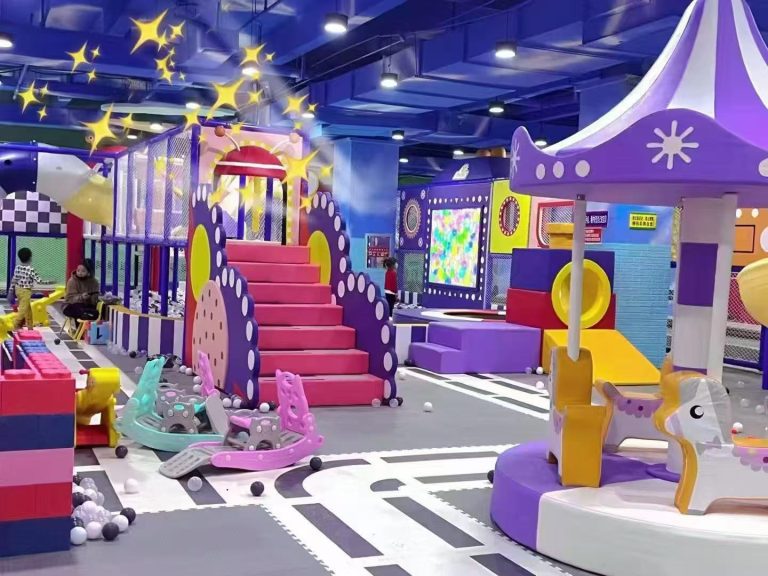
Category 1: Soft Play Areas
Our equipment meets ASTM and EN1176 safety standards.
Best for: Ages 1–8 (toddlers and young children)
Soft play areas are the foundation of almost every successful indoor playground.
Common configurations:
- Foam climbing structures and crawl tunnels
- Ball pits
- Low-height slides
- Interactive wall panels
Revenue role: High-volume, high-margin. Parents of toddlers visit frequently during weekdays.
Category 2: Trampoline Parks
Best for: Ages 6–18 (children and teenagers)
Trampoline parks have become one of the highest-traffic attractions in indoor entertainment.
Standard configurations:
- Free-jump trampoline zones
- Foam pit jumping areas
- Dodgeball courts
- Basketball dunk lanes
Revenue role: Premium pricing on weekends. Strong appeal for birthday parties and group events.
Category 3: Arcade and Redemption Games
Best for: Ages 6+ (all ages including adults)
Arcade zones are your most stable secondary revenue source.
Common configurations:
- Coin-operated or card-based arcade machines
- Ticket redemption games (bowling, claw machines)
- Racing simulators
- Prize vending machines
Revenue role: High-margin add-on spending. Extends visit duration and increases per-customer revenue.
Category 4: VR and Immersive Tech Experiences
Best for: Ages 10+ (teenagers and adults)
VR and immersive tech is the fastest-growing segment in indoor entertainment.
Common formats:
- VR headset single-player pods
- Multi-player VR arenas
- Interactive projection floors
- Augmented reality climbing walls
Revenue role: Premium pricing. Strong differentiation from competitors.
Category 5: Infant Sensory and Educational Zones
Best for: Ages 0–4 (infants and caregivers)
This zone is often underestimated — but it generates some of the highest customer loyalty.
Common configurations:
- Low-height foam blocks
- Sensory wall panels
- Quiet play areas
- Parent seating with clear sightlines
Revenue role: Builds loyalty with parents. Drives repeat weekday visits.
Category 6: Ninja Warrior Obstacle Courses
Best for: Ages 8–18 (active children and teenagers)
Inspired by TV obstacle shows, ninja training zones are high-engagement attractions for older children.
Standard elements:
- Balance beams and warped walls
- Rope swings and climbing nets
- Timing systems for competitions
- Soft landing zones
Revenue role: Attracts older demographics. Popular for group events and competitions.
Category 7: Party and Event Rooms
Best for: All ages (birthday parties, corporate events, school groups)
Party rooms aren’t traditional equipment — but they’re one of your most important revenue zones.
Standard configurations:
- Decorated party spaces
- Food service areas
- Gift storage and setup areas
- Private restrooms (in premium setups)
Revenue role: Birthday parties typically generate 3-5x the revenue of a standard visit.
How to Choose the Right Mix
The optimal equipment mix depends on:
- Your target age demographics
- Available square footage
- Local competition
- Your budget and timeline
Need a Custom Layout Recommendation?
Tell us your space size and target age groups — we’ll provide a customized zone layout within 24 hours.